

Surf Breaks in National Marine Sanctuaries

Mavericks. Waimea Bay. Pipeline. The names evoke images of pumping surf, the raw beauty of ocean swells exploding on solid reefs, and crowds gathered to watch in awe as expert surfers take on world-class waves. These places are some of the most revered surf spots on Earth, but did you know they are all found within America's protected national marine sanctuaries?
National marine sanctuaries are inextricably connected to surfing. The same waters that produce unforgettable rides also support marine life, coastal communities, tourism, research, education, and maritime heritage. The examples below include a few well-known and emerging surf breaks and coastlines.
Hawaiian Islands Humpback Whale National Marine Sanctuary

ʻEhukai or Banzai Pipeline — Oʻahu, Hawaiʻi
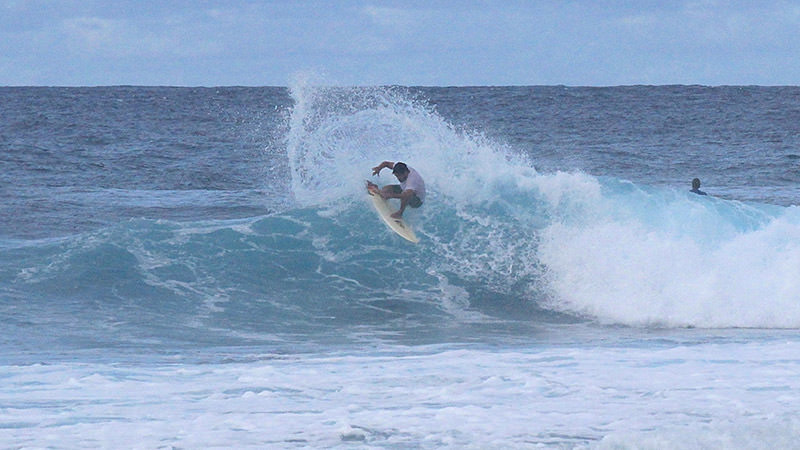
Known simply as "Pipeline," or just "Pipe," this legendary North Shore break is famous for powerful winter swells, hollow barrels and waves that detonate over a shallow reef. It draws some of the world's best surfers to one of surfing's most recognizable proving grounds, where beauty, skill and consequence come together in the waters of Hawaiian Islands Humpback Whale National Marine Sanctuary.
Waimea Bay — Oʻahu, Hawaiʻi
Waimea Bay helped define big-wave surfing and remains one of the sport's most storied places. When conditions are right, its deep-water waves attract elite surfers from around the world, including those invited to compete in the Eddie Aikau Big Wave Invitational, an event honoring the legendary Hawaiian lifeguard, surfer and waterman whose legacy is rooted in courage, ocean knowledge and respect for place.
Monterey Bay National Marine Sanctuary

Mavericks — Half Moon Bay, California
This infamous wave rumbles off the coast of California's Half Moon Bay, cresting as high as 60 feet when conditions are right. Fierce currents, shallow rocks, and bone-chilling water temperatures pose a daunting test for even the most intrepid big wave surfers.
Steamer Lane — Santa Cruz, California
Northern California surfing pioneers like Jack O'Neill made Steamer Lane a hub of innovation starting in the late 1950s, giving rise to the modern wetsuit and board leash. While other waves surpass it in size and power, it remains one of the most popular surfing destinations on the West Coast.
Pleasure Point — Santa Cruz, California
A classic Eastside Santa Cruz break, Pleasure Point is known for long-peeling reef and point-break waves, year-round consistency and a surf culture that runs deep. It is a popular surf break with lots of put in sites stretching from First Peak toward 38th Avenue. The area offers a range of waves depending on swell and season, from relaxed longboard walls to more powerful sections when conditions line up. Generally, Pleasure Point is not a wave for first-timers. Beginners should go to nearby Capitola Beach.
Capitola Beach - Santa Cruz, California
Capitola Beach offers a mellow, beginner-friendly right-hand reef and point break with gentle waves ideal for longboarders, families, and first-timers.
Asilomar State Beach — Pacific Grove, California
Set along the rocky Pacific Grove shoreline, Asilomar State Beach is one of Monterey Bay National Marine Sanctuary's popular wave breaks. This scenic stretch of coast offers surfing, tidepooling, coastal walking, and views of the Monterey Peninsula's wave-swept shoreline. Conditions can vary with swell, tide and season, making local knowledge and attention to rip currents, submerged rocks, and powerful surf especially important.
Channel Islands National Marine Sanctuary

Channel Islands — Southern California
The Channel Islands are a chain of offshore islands with rocky reefs and thick kelp beds that hold hidden gems for adventurous advanced surfers. Protected as both a national park and a national marine sanctuary, these breaks are a remote and rugged surf destination accessible only by boat. Surfing in the Channel Islands is best suited for experienced surfers with strong ocean-safety skills and local knowledge.
Chumash Heritage National Marine Sanctuary

Jalama Beach — Lompoc, California
Tucked along a remote stretch of Santa Barbara County coastline, Jalama Beach is a rugged surf destination known for wind, open-ocean exposure and a wilder Central Coast feel. The beach attracts surfers, anglers, beachcombers and campers willing to make the drive for powerful waves, wide coastal views and a sense of escape. Located along the Chumash Heritage National Marine Sanctuary coastline, Jalama also reflects the sanctuary's broader mix of recreation, marine life, cultural heritage, and coastal connection.
Pismo Beach Pier — Pismo Beach, California
A classic Central Coast beach break, Pismo Beach Pier is one of the most recognizable surf spots along the Chumash Heritage National Marine Sanctuary shoreline. Known for consistent, approachable waves and easy access from downtown Pismo Beach, the pier draws a wide range of surfers, from beginners finding their footing in the whitewater to more experienced riders looking for shapely sandbar peaks when conditions line up. The sanctuary boundary follows the shoreline southeast past Pismo Beach
Greater Farallones National Marine Sanctuary
Salmon Creek Beach — Bodega Bay, California
Part of Sonoma Coast State Park near Bodega Bay, Salmon Creek Beach offers a wide, exposed stretch of sand and surf along Greater Farallones National Marine Sanctuary. The beach features open-coast conditions, shifting sandbars and creek-mouth dynamics, with two miles of sandy shoreline used for surfing, fishing, picnicking, and beach walks. Nearby Bodega Dunes Campground offers camping within about a mile of Salmon Creek, with trail access through coastal dunes and wetlands. Conditions can change quickly, so check current surf, tide, and weather conditions, and watch for rip currents and cold-water hazards.
Bolinas Beach — Bolinas, California
Located at the mouth of Bolinas Lagoon in Marin County, Bolinas Beach is a sand-and-rock-bottom beach break within Greater Farallones National Marine Sanctuary. Known as an approachable place to learn to surf, the area can offer both left- and right-breaking waves depending on sandbars, swell, tide and wind. Surfboard rentals and lessons are available locally, and visitors can explore Bolinas' public beaches, small downtown and coastal community. Parking can be limited, so plan ahead, check current surf and tide conditions, and respect the local lineup.
Dillon Beach — Dillon Beach, California
Near the entrance to Tomales Bay at the northern end of Marin County, Dillon Beach is an exposed sandy beach break within Greater Farallones National Marine Sanctuary. Shifting sandbars can produce both left- and right-breaking waves, with conditions shaped by swell, wind, tide and the strong tidal exchange from nearby Tomales Bay. Smaller, cleaner days can be approachable for a range of surfers, but larger surf and big tides can bring rip currents and strong currents. Dillon Beach Resort charges a fee for day-use parking.
Olympic Coast National Marine Sanctuary

Note: Several surf spots along the Olympic Coast are on or accessed through Tribal lands. Visitors should respect Tribal sovereignty, review current access rules, parking or permit requirements, and follow any Tribal guidance on visitor conduct, filming, and photography before visiting.
First Beach — La Push, Washington
Located on the Quileute Indian Reservation, First Beach is one of the Olympic Coast's well-known surf spots. The surf here is shaped by big Pacific swells, cold water, and the rugged character of Washington's outer coast. Before visiting, surfers should check the Quileute Tribe's current visitor guidance.
Hobuck Beach — Neah Bay, Washington
Located on the Makah Indian Reservation, Hobuck Beach is another well-known Olympic Coast surf spot. NOAA recommends checking wave buoys, tides, and currents before entering the water along this remote and dynamic coastline. The Makah Tribe requires a Makah Recreation Permit for recreational activities, including surfing, and asks visitors to respect tribal culture and designated visitor facilities.
Shi Shi Beach — Olympic National Park, Washington
Shi Shi Beach is a more backcountry surf destination along the Olympic Coast. It offers a remote wilderness surf experience for those prepared for cold water, changing conditions, and a rugged coastal setting. The trail begins on the Makah Reservation and continues into Olympic National Park, so surfers should obtain the required Makah Recreation Pass before arrival and, if staying overnight, an Olympic National Park wilderness permit as well.
Rialto Beach — Olympic National Park, Washington
Rialto Beach offers a rugged Olympic Coast experience, with drive-up access to a wild Pacific shoreline known for massive driftwood logs, dramatic sea stacks and rich tide pools. Located west of Forks, the beach is better known for scenery than a defined named break, but its exposed coast can draw adventurous surfers prepared for cold water, shifting tides, strong currents and remote conditions. Hole-in-the-Wall, about 1.5 miles north of the Rialto Beach trailhead, is a popular low-tide destination for tide pooling.
National Marine Sanctuary of American Samoa
Aunuʻu Island — American Samoa
Just a 15-minute small boat ride from Tutuila, the surf at Aunuʻu Island is shaped by exposed reef and point breaks, with right-hand reef and point waves that work best on southwest swell and offshore winds from the east. Conditions are often best around a rising high tide, and June through September is generally the most reliable time of year. Located within National Marine Sanctuary of American Samoa, Aunuʻu's surf zone is part of a larger protected seascape known for coral reefs, volcanic islands, Samoan culture, and warm tropical waters. Surfers should use caution around shallow coral and respect local access.
Wisconsin Shipwreck Coast National Marine Sanctuary

North Beach — Sheboygan, Wisconsin
On the shore of Lake Michigan, Sheboygan, nicknamed the "Malibu of the Midwest," is one of the best-known freshwater surf communities in the Great Lakes. North Beach is widely recognized as the city's most popular surf spot, with peak surf season running from late August through early April when fall and winter weather bring more consistent wind-driven waves. The waters off Sheboygan are part of Wisconsin Shipwreck Coast National Marine Sanctuary, where cold freshwater surf, working waterfronts, and nationally significant shipwrecks all share the same stretch of lake.
Thunder Bay National Marine Sanctuary

North Bay — Presque Isle Township, Michigan
Along the Lake Huron shoreline of Thunder Bay National Marine Sanctuary, Alpena's freshwater surf scene is still emerging, but local surfers are helping put the area on the map. Lake Huron surf is all about freshwater stoke, storm-driven waves, and local knowledge. The Thunder Bay Surf Club is a community-focused organization in Michigan's northeast region dedicated to growing Great Lakes surfing on Lake Huron. The waves in North Bay are wind generated, rather than rolling ground swells. Fall and winter bring the strongest low-pressure storm systems, high winds, and more defined rideable waves, though water temperatures drop significantly. Summer months typically experience flat to small knee-high chop (2 feet or less) unless a passing thunderstorm or localized seiche pushes water across the bay. To access the bay, there is a public access road west of the New Presque Isle Light.